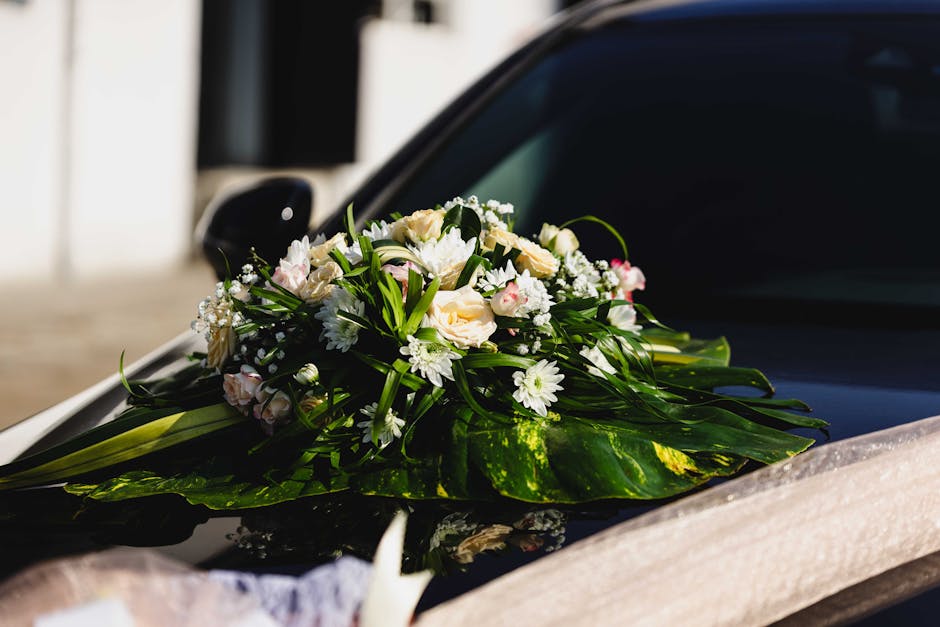
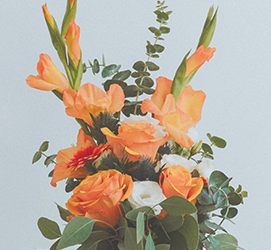
Top florists for weddings on Hampton Hill High Street
Posted on 19/10/2026
Planning a wedding is exciting, but let's be honest, the floral part can feel surprisingly big. The bouquet is in the photos, the buttonholes are noticed up close, the ceremony flowers set the tone, and the reception arrangements pull everything together. If you're searching for Top florists for weddings on Hampton Hill High Street, you probably want more than a pretty arrangement. You want reliability, taste, local know-how, and flowers that still look beautiful after a morning of nerves, a late registrar, and a hundred hugs.
This guide breaks down what makes a wedding florist genuinely worth your time, how to compare options, what to ask before booking, and how to avoid those quietly expensive mistakes people only notice two days before the ceremony. It's written for couples, families, planners, and anyone trying to make the flowers feel effortless, even if the planning behind them is not.
If you're shortlisting suppliers, it also helps to look at the broader service offering around local wedding flowers, seasonal designs, and delivery support. You can browse the dedicated wedding flowers in Hampton TW12 page for a quick sense of style, or explore the full local florist service in Hampton TW12 if you want a wider feel for what's available.
Below, you'll find a practical, local-minded breakdown that should help you choose with confidence rather than guesswork.
Table of Contents
- Why Top florists for weddings on Hampton Hill High Street Matters
- How Top florists for weddings on Hampton Hill High Street Works
- Key Benefits and Practical Advantages
- Who This Is For and When It Makes Sense
- Step-by-Step Guidance
- Expert Tips for Better Results
- Common Mistakes to Avoid
- Tools, Resources and Recommendations
- Law, Compliance, Standards, or Best Practice
- Options, Methods, or Comparison Table
- Case Study or Real-World Example
- Practical Checklist
- Conclusion
- Frequently Asked Questions
Why Top florists for weddings on Hampton Hill High Street Matters
Wedding flowers do far more than decorate a room. They shape atmosphere. A neat, romantic bouquet can make a small ceremony feel intimate; a fuller floral design can make a modest venue feel like a proper occasion. On Hampton Hill High Street, where couples often want something local, dependable, and personal, the right florist can make the whole planning process smoother.
The reason this matters is simple: weddings have a lot of moving parts. Flowers have to arrive at the right time, look right in daylight and indoor lighting, and work with the venue, clothing, season, and budget. If the florist understands weddings properly, they'll help you avoid awkward mismatches like a bouquet that photographs too dark, buttonholes that wilt in the car, or table flowers that block guests from seeing each other across the table. Small things, sure. But in a wedding, small things are the whole game.
There's also the local factor. A florist who regularly works in the Hampton area is more likely to understand timings, parking realities, delivery access, and what works in local venues. That kind of practical awareness saves stress. And on a wedding day, stress is something you really don't need any extra of.
Expert summary: the best wedding florist is not just the one with the prettiest Instagram-style arrangement. It's the one who combines design skill, calm communication, realistic planning, and dependable delivery on the day.
How Top florists for weddings on Hampton Hill High Street Works
In practice, choosing a wedding florist is a planning process, not a single purchase. You usually begin by deciding your rough style, then you compare collections, discuss availability, and narrow the order to the specific items you need. That might include bridal bouquet, bridesmaid bouquets, buttonholes, ceremony flowers, table arrangements, corsages, and perhaps a few extras for photos or gifts.
A good florist will help you translate a mood into something workable. For example, "soft and elegant" could become pale roses, lisianthus, and white accents. "Bright but not too busy" might lead to mixed seasonal colours with cleaner lines. "Traditional with a bit of richness" could lean into classic roses and layered textures. The best florists don't just sell flowers; they shape a plan.
On a local high street, another useful detail is delivery coordination. Wedding floristry often needs flexibility. A bouquet may need to be delivered earlier than table arrangements. Buttonholes might need to be handed over separately. If your florist offers coordinated service, that's a very good sign. It means they're thinking like a wedding supplier, not just a shop selling stems.
You can also look at wedding-specific product ranges to see how the florist structures their offering. For example, a collection like wedding flowers or a defined bridal option such as a bridal bouquet design can help you understand their style, scale, and level of specialism before you even speak to them.
Truth be told, a lot of wedding flower decisions come down to confidence. Does the florist listen? Do they explain what will hold up well? Do they seem to understand that a bouquet needs to survive travel, timing changes, and a few happy tears? If yes, you're on the right track.
Key Benefits and Practical Advantages
There are obvious benefits to choosing a strong local wedding florist, and a few that people only appreciate later.
- Better design fit: A wedding specialist can match flowers to dress style, venue size, colour palette, and season without overcomplicating things.
- Less day-of stress: Coordinated preparation and delivery reduce the chance of last-minute panic. Simple, but huge.
- More useful advice: An experienced florist will tell you when a flower choice is beautiful but impractical, which is very handy.
- Clearer budgeting: You can prioritise the items that matter most, rather than spreading the budget too thinly across too many extras.
- Better photograph results: Wedding flowers need to work on camera as well as in person. Texture, colour contrast, and size all matter.
- Seasonal flexibility: Local florists can often suggest alternatives that achieve the same look without forcing out-of-season flowers.
Another practical upside is consistency. If your florist is also handling related event flowers, you can usually keep the look cohesive. That makes a wedding feel more considered, even if the design itself is fairly simple. Cohesion is underrated. Guests may not name it, but they notice it.
If you're exploring product-led options, the collection approach can be useful too. For example, a curated range like white wedding styling or romantic wedding florals can show how a florist interprets different moods. That's often more useful than vague promises about being "bespoke".
Who This Is For and When It Makes Sense
This is for you if you're planning a wedding in or around Hampton Hill and want flowers that feel thoughtful rather than generic. It's especially relevant if you're:
- working with a modest budget and want every pound to pull its weight
- trying to match flowers to a specific dress, colour palette, or venue style
- arranging a ceremony, reception, or both and need the floral look to stay consistent
- planning from a distance and need a florist who communicates clearly
- looking for a local supplier who can handle delivery without drama
It also makes sense if you're the person everyone turns to for the planning. You know the one. The spreadsheet lives on your phone, the guest list keeps changing, and suddenly you're deciding between ivory roses and blush pink. That's exactly when a florist with real wedding experience starts to earn their keep.
If you're not sure whether you need a specialist wedding package or just a few key pieces, start by identifying the must-haves. For many couples, a bridal bouquet, buttonholes, and table flowers are enough to make the day feel complete. Others want full venue styling. Neither is wrong. The sensible choice is the one that suits your scale and energy, not somebody else's idea of a "proper" wedding.
Step-by-Step Guidance
1. Decide your floral priorities first
Start with what matters most. Is it the bride's bouquet? The ceremony space? The top table? Once you know what needs to look exceptional, you can spend more intelligently.
2. Choose a style direction
Pick one broad direction rather than ten contradictory ideas. Romantic, modern, classic, wild, pastel, seasonal, minimalist, dramatic - all fine. But mixing too many concepts usually leads to muddle. A florist can refine your vision, but they can't rescue a vision that's trying to be everything at once.
3. Check the florist's wedding-focused range
Look for bridal bouquets, bridesmaid bouquets, buttonholes, corsages, and table arrangements that already feel designed for weddings. This shows they understand the full event, not just standalone bouquets.
4. Ask how delivery and setup work
Clarify timing, handover, and whether the florist can coordinate multiple drop-offs. This is one of those unglamorous questions that saves headaches later.
5. Compare like for like
Don't compare a loose bouquet with a fully styled collection and assume they're similar. Ask what's included: flowers only, presentation, travel, setup, venue installation, or extras such as candles and finishing details.
6. Confirm substitutions policy
Flowers are seasonal and supply can vary. A good florist will explain what may change and what will stay true to the overall look. That transparency is reassuring, really.
7. Lock in the final details
As the wedding gets closer, confirm quantities, colours, delivery schedule, contact names, and any access notes. A bit of admin now is worth a lot of calm on the day.
A helpful way to think about it: you are not simply ordering flowers. You are buying a few hours of calm, a visual atmosphere, and the assurance that the important bits will arrive intact. That's what you're really paying for.
Expert Tips for Better Results
Here are the bits that tend to make the biggest difference in real life.
- Use your venue as a guide. A small room with low ceilings needs different arrangements from an airy hall with plenty of light.
- Think in layers. One hero element, like a bridal bouquet, plus a few supporting pieces, often looks better than trying to decorate everything equally.
- Choose flowers that suit the season. Seasonal choices usually feel fresher and often make better use of your budget.
- Ask for scale advice. A bouquet can be too large, and table flowers can be too tall. Both are fixable if discussed early.
- Match the flowers to the photos, not just the room. Cameras can flatten colour or make pale blooms disappear against white dresses. Your florist should help with that.
- Keep transport in mind. A bouquet that looks gorgeous in the shop but travels badly is not your friend at 9:00 a.m. on a wedding morning.
There's a nice local rhythm to wedding prep as well. Early morning collection, a quick run through the venue, a pause for nerves, maybe tea in a takeaway cup while everyone tries to remember where the rings are. Good floristry fits that rhythm and doesn't fight it.
If you want something polished but not overcomplicated, pieces such as a bridesmaid bouquet and buttonholes can give structure to the day without making the design feel stiff. Small details, yes. But they carry a lot of weight visually.
Common Mistakes to Avoid
Some mistakes are purely aesthetic. Others become logistical headaches. Best to avoid both.
- Choosing on price alone. Cheaper is not always worse, but the lowest quote can hide limits around time, delivery, or design flexibility.
- Not confirming what's included. A quote should be clear about stems, labour, delivery, installation, and any vase or holder charges.
- Over-ordering flowers for the sake of it. More flowers do not automatically mean better design. Sometimes they just mean more clutter.
- Ignoring venue colour and lighting. Flowers can look very different under warm indoor light compared with daylight.
- Leaving buttonholes and small items until the last minute. These tiny pieces get forgotten easily, and then everyone notices, of course.
- Not asking about substitutions. If your preferred flower is unavailable, you want to know who chooses the replacement and how closely it will follow the original style.
One more thing: don't assume a wedding florist will automatically know your full plan. If you want flowers moved between ceremony and reception, say so. If you need the bouquet ready by a specific minute because photos start early, say that too. Clear communication is not fussy. It's professional.
Tools, Resources and Recommendations
You do not need a full event-management toolkit to choose a florist well, but a few practical resources help a lot:
- A simple mood board: screenshots, saved images, fabric swatches, or even a note on your phone with colours that feel right
- A rough guest and table plan: useful for estimating how many table pieces you actually need
- Your wedding timeline: especially if flowers must arrive before hair, make-up, or photography
- Venue notes: access, parking, stairways, tight doorways, and where arrangements will be placed
- Budget bands: even a loose range helps the florist recommend the right scale
For product browsing, a florist's wedding collection pages can be more useful than a gallery of random bouquets. Categories like bridesmaid bouquets, table arrangements, and corsages help you see the structure of the offering. If a florist has thought carefully about these items, they've probably thought carefully about the event as a whole.
You may also want to look at support pages that explain ordering, delivery, or service expectations. A clear delivery policy and a straightforward guarantees page can tell you a lot about how the business handles real-world issues. Not glamorous, but very useful.
Law, Compliance, Standards, or Best Practice
Wedding floristry is not a heavily regulated service in the way some professional sectors are, but there are still sensible standards worth expecting. In the UK, a trustworthy florist should be clear about pricing, payment terms, cancellations, substitutions, delivery expectations, and any limitations on service. Those details usually sit in the business terms rather than being guessed at by the customer, which is fair enough.
For wedding buyers, the most important "compliance" concern is really practical best practice: accurate order confirmation, clear communication, safe delivery arrangements, and honesty about what can and cannot be supplied. If a florist uses floral foam, wired structures, or installation pieces, they should be handling them with care and explaining any setup needs where relevant.
It is also wise to pay attention to broader business policies. A clear terms and conditions page, a privacy policy, and straightforward payment information help you feel confident about booking. And if you care about sourcing or waste reduction, a florist's sustainability stance can be a useful signal of how thoughtfully they work.
None of this is about being difficult. It's about making sure a personal purchase is handled in a professional way. Weddings are emotional enough already.
Options, Methods, or Comparison Table
Different couples need different flower solutions. Here's a practical comparison to help you choose the right route.
| Option | Best for | Pros | Watch out for |
|---|---|---|---|
| Single bouquet and buttonholes | Smaller weddings or minimal styling | Simple, affordable, easy to coordinate | May feel too sparse if the venue is large |
| Bridal party package | Couples wanting a consistent look | Balanced, cohesive, good value | Needs clear counts and sizing |
| Full ceremony and reception styling | Larger weddings or statement venues | Strong visual impact, polished finish | More logistics, higher budget, more setup time |
| Florist-led bespoke design | Couples with a specific creative vision | Highly personalised, flexible | Requires more consultation and trust |
If you're unsure which route suits you, start smaller and build out. A few well-chosen pieces often look more elegant than a room full of mixed designs. Especially if the venue itself already has character. You don't want to shout over it.
Some couples prefer a curated wedding collection, others prefer individual products chosen piece by piece. Both can work. A collection such as a wedding collection range gives a neat visual direction, while individual items like a bridal bouquet and matching bridesmaid bouquet allow a bit more control.
Case Study or Real-World Example
Here's a realistic example. A couple planning a late spring wedding in Hampton Hill wanted something soft, elegant, and manageable rather than highly elaborate. They had a modest guest count, a short ceremony, and a reception in a room that already had good natural light. Their florist recommended a refined bouquet, a few matching buttonholes, three table arrangements, and two smaller pieces for the signing area.
What made the difference was not the amount of flowers. It was the coordination. The florist kept the palette consistent, suggested a flower mix that would hold up well during the day, and ensured the delivery timing matched the couple's photography schedule. The room looked finished without feeling crowded. Guests noticed the calm elegance. The couple noticed they weren't fussing over flowers all day. Which, honestly, is exactly how it should be.
The valuable lesson here is that the "best" florist is not always the most dramatic one. Often, it's the florist who understands proportion, timing, and restraint. That's the quiet skill behind a beautiful wedding.
Practical Checklist
Use this checklist before you book.
- Have you decided your rough wedding style?
- Do you know your flower priorities and must-haves?
- Have you checked the florist's wedding-specific range?
- Do you know what is included in the quote?
- Have you confirmed delivery timing and access details?
- Have you asked what happens if a flower is unavailable?
- Do the colours suit your dress, venue, and lighting?
- Have you checked whether the florist can handle buttonholes, corsages, and table pieces together?
- Have you reviewed payment, cancellation, and refund terms?
- Have you set a realistic budget and allowed a small buffer?
If you can answer yes to most of these, you're in good shape. If not, no panic. Just pause, ask a few more questions, and keep the decision grounded. The right florist should make this feel easier, not more confusing.
Conclusion
Choosing among the Top florists for weddings on Hampton Hill High Street is really about finding the balance between beauty and reliability. Yes, the flowers must look lovely. But they also need to arrive on time, suit the space, hold together through the day, and reflect the couple rather than the florist's ego. That's the sweet spot.
Start with style, check the practical details, and look for a florist who speaks clearly and listens properly. If you find someone who understands wedding timing, venue realities, seasonal flowers, and calm communication, you're already ahead. That's where the real value sits.
Get a free quote today and see how much you can save.
And once the flowers are in place, the room will feel different in that subtle, lovely way - softer, warmer, more alive. It's a small thing, really. But on a wedding day, small things are the things people remember.
Frequently Asked Questions
How far in advance should I book a wedding florist on Hampton Hill High Street?
It's wise to book as early as you can, especially if your date falls in a busy season. Popular wedding dates fill quickly, and early booking gives you more choice over style, flowers, and delivery planning. If you're late, still ask. Sometimes a florist can help with a smaller package or a simplified design.
What should I ask a wedding florist before I book?
Ask what's included in the quote, how substitutions are handled, whether delivery and setup are available, and how many wedding jobs they take on in a day. You should also ask about payment terms and whether they can work within your venue's access restrictions. Those details matter more than people realise.
Can I get wedding flowers on a smaller budget?
Yes. A good florist can help you focus on a few high-impact pieces instead of trying to decorate everything. A strong bouquet, key buttonholes, and a couple of table arrangements can be enough for a polished look. Simple doesn't mean bare. It just means focused.
What flowers work best for a wedding bouquet?
That depends on your style, season, and budget. Roses, lisianthus, orchids, lilies, and mixed seasonal blooms are all common choices, but the best bouquet is the one that suits your dress and venue. A florist can help you choose flowers that look good in photos and hold up well during the day.
Do wedding florists usually provide buttonholes and bridesmaid bouquets too?
Yes, many do. In fact, it's often better to order these items from the same florist so the look stays consistent. If you want a coordinated finish, ask to see matching options rather than selecting each item separately without a plan.
What happens if a flower I want is out of season?
A sensible florist will suggest a seasonal substitute that keeps the same style and feel. This is normal in wedding work. The goal is usually to preserve the mood rather than insist on one exact bloom. To be fair, some substitutions end up looking even better than the original idea.
How do I know if a florist is good with weddings, not just general bouquets?
Look for wedding-specific collections, examples of bridal bouquets, table arrangements, corsages, and buttonholes, plus clear information about delivery and event timing. Wedding floristry is more coordinated than everyday gifting, so the business should show that understanding in its products and communication.
Can wedding flowers be delivered to my venue directly?
Often, yes, though it depends on the florist's delivery service and the venue's access arrangements. It's a good idea to confirm timing, parking, and who will receive the flowers on arrival. That avoids awkward phone calls on the morning of the wedding.
Should I match the flowers to the bridesmaids' dresses?
It can help, but it's not essential. Sometimes matching too closely makes the overall look feel flat. A florist can suggest complementary tones instead. That usually gives more depth and looks nicer in photos, especially if the dresses and flowers are close in colour.
What is the difference between a bridal bouquet and a bridesmaid bouquet?
A bridal bouquet is usually the main bouquet and may be larger, more detailed, or slightly more elaborate. Bridesmaid bouquets are typically smaller and designed to complement the main bouquet without competing with it. The exact style depends on your overall wedding look.
How can I make sure my flowers look good in photos?
Choose a florist who understands scale, colour contrast, and texture. Tell them your dress colour, venue lighting, and whether your photographer likes closer detail shots or wide ceremony images. A bouquet that works on camera is not always the biggest one - sometimes it's the best-shaped one.
Is it better to choose a wedding collection or custom flowers?
It depends on how much guidance you want. A wedding collection can make decision-making easier and often gives a cohesive result quickly. Custom flowers are better if you have a particular vision or unusual venue layout. Both can work well, honestly. The right choice is the one that reduces stress for you.
What should I do if I need flowers for more than just the ceremony?
Tell the florist early. If you need reception flowers, gifting pieces, or extra arrangements for the ceremony room, it helps to plan the whole flow from the start. That way the florist can design the flowers to move with the day instead of treating each section separately.