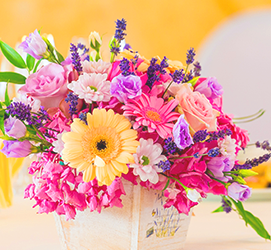
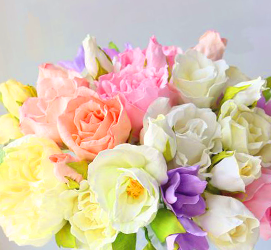
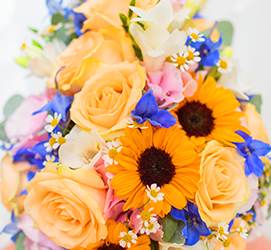
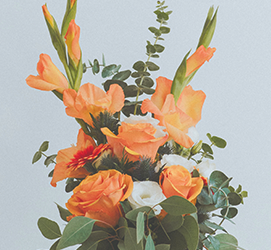
How We Helped a [AREA] Business Elevate Their Event with Custom Florals
Posted on 13/11/2025
There is a quiet magic to walking into an event and feeling the room breathe. The colours seem to hum, the air holds a fresh, green brightness, and every table feels intentional. In our experience, custom florals are the pinch-of-salt moment in a recipe: subtle, but they make everything sing. This is the story of how we helped a business elevate their event with custom florals -- plus everything we learned, so you can do it too.
To be fair, flowers are not just flowers at a business event. They are signals. Brand, tone, sustainability values, even audience comfort. And when you get them right, the room relaxes. People talk longer, they smile more, the photos look better. Clean, clear, calm. That is the goal.
Table of Contents
- Why This Topic Matters
- Key Benefits
- Step-by-Step Guidance
- Expert Tips
- Common Mistakes to Avoid
- Case Study or Real-World Example
- Tools, Resources & Recommendations
- Law, Compliance or Industry Standards (UK-focused)
- Checklist
- Conclusion with CTA
- FAQ
Why This Topic Matters
Business events live and die on first impressions, flow, and memorable moments. Florals are a relatively small line in the budget, yet they have outsized impact on perception, brand recall, and attendee comfort. When people search for how we helped a business elevate their event with custom florals, they are really asking a bigger question: How do you turn space into story?
Truth be told, event floristry sits at a crossroads of design, logistics, sustainability, and compliance. From UK fire safety policies to responsible waste streams, from brand strategy to guest allergies, this is not just putting pretty flowers in a vase. It is design under pressure, with a stopwatch running. And when you nail it, the photos feel alive and the scent is gentle, clean, calm.
One small human moment: we once watched a guest pause by a low bowl of garden roses and mint, lean in, and close her eyes for half a second. She later told us the scent reminded her of her nan's allotment in Kent. That one moment told us we were on the right track.
Key Benefits
Here is what thoughtful, custom event florals can do for a business. Not just theoretically -- this is based on real-world projects and measurable outcomes.
- Brand storytelling made visible: Colour palettes and floral forms aligned with brand values make messaging feel tangible, not abstract. Think crisp whites and structural greens for tech, or wild, seasonal textures for a sustainability-led brand.
- Photo-ready environments: Strategic focal pieces anchor cameras. Guests take more photos. Social posts surge. PR teams smile.
- Subtle mood-setting: Soft, herbaceous scents can lower perceived stress. Warm, peachy tones can make networking corners feel friendly. It is atmosphere design, just gentler.
- Better wayfinding: Florals can nudge movement: an arch marks the entrance, a floral band wraps key stages, and smaller clusters guide people between zones.
- Sustainability signals: Locally grown, foam-free, reusable mechanics quietly communicate environmental responsibility. Guests notice, even if you never say a word.
- Compliance-friendly by design: When you plan for health and safety from day one, security and venue teams breathe easier. No tripping hazards, no water spills, no fire risks near lighting rigs.
- Budget efficiency: Smart re-use of mechanics and dual-purpose arrangements (morning conference to evening dinner) stretches spend further.
Ever walked into a conference and felt... nothing? It is flat, overly lit, no texture. Custom florals, done properly, are the antidote. And yes, they can be cost-effective.
Step-by-Step Guidance
Below is our framework for delivering brand-aligned, compliant, and sustainable florals for business events in the UK. This is exactly how we helped a business elevate their event with custom florals -- and how you can structure your next brief.
1) Clarify objectives and constraints
- Define the purpose: Product launch? Investor day? Staff awards? Each purpose shapes scale and tone.
- Capture brand DNA: Provide an up-to-date brand deck: colours (Pantone/hex), values (e.g., precision, warmth), and do-not-use lists.
- Audience specifics: Expected volume, VIPs, allergies, scent sensitivity, accessibility considerations (e.g., low arrangements for clear sightlines).
- Venue constraints: Rigging rules, Grade II restrictions, loading times, water access, and waste management on-site. Get these early.
- Budget band and must-haves: State an investment range with non-negotiables (e.g., branded floral photo-moment, sustainable materials, British-grown stems).
Micro moment: it was raining hard outside that day, and the venue coordinator was juggling three deliveries. Our clear, one-page constraints sheet made her day. Simple wins.
2) Create a concept and palette
- Mood-board: 10-15 images showing structure, tone, and texture. Avoid exact flower lists at this stage, keep it conceptual.
- Colour mapping: Translate brand colours into floral-friendly shades. Not every Pantone exists in nature; propose close, beautiful alternatives.
- Signature mechanics: Decide your focal techniques: arches, meadow runners, statement plinths, or ceiling installations. Keep safety in view.
Pro tip: Build two versions: one with high seasonality and one with robust substitutions. Nature does not care about your lead time.
3) Plan logistics and compliance
- Timeline: Backward-plan from doors open. Include vehicle loading, on-site holding area, and installation durations.
- Risk assessment: Identify hazards: water spills, trip hazards, structural loads. Prepare a brief method statement.
- Sustainability path: Foam-free mechanics, reusable vessels, British-grown sourcing where feasible, and documented waste streams.
- Venue approvals: Share floor plans with exact footprint, heights, weights, and any fixings. Get sign-off in writing.
4) Source seasonally and locally where possible
- British growers: Prioritise local farms in-season for lower transport emissions and better fragrance. April to October is generous in the UK.
- Quality control: Specify stem length, head size, and ripeness. Request early cut-and-hydrate for longevity.
- Substitution plan: List A, B, C alternatives for each hero flower. Weather happens. Ship strikes happen. Everything happens.
5) Execute with precision
- Staging workflow: Pre-build as much as you can off-site. Label zones and pallets. Protect delicate pieces in transit.
- Install choreography: Start with large structures, then medium accents, then detail work. Leave refinement for last 10% of time.
- Final walk-through: Confirm sightlines, branding visibility, and no drips. Photograph each zone for records and PR.
6) Reuse, strike, and report
- Same-day re-use: Move hero pieces from conference to dinner if feasible. Planned in advance, it feels seamless.
- Donations and take-home: Pre-arrange donations to local charities or gift smaller posies to guests. Warm, human touch.
- Waste audit: Record compostables, reusables, and total waste. Provide a short post-event report with images and metrics.
You will notice the through-line: clarity. When everyone knows the plan, installation day is calm. And calm shows in the work.
Expert Tips
- Design at two heights: Mix eye-level drama with low arrangements that do not block conversation. People talk better when they can see one another.
- Work with scent, not against it: Keep fragrance gentle in enclosed spaces. Herbs like mint, rosemary, and eucalyptus add freshness without overpowering.
- Use texture for warmth: Pair glossy foliage with velvety petals and airy grasses. The camera loves contrast.
- Plan for light: Flowers look different under LEDs. Test your palette with a sample under the venue lighting rig. Yes, really.
- Foam-free mechanics: Use chicken wire, moss, reusable grids, or water tubes. Better for the planet and often better for stem hydration.
- Brand, but not too literally: Translate brand colours with nuance: a deep teal might become blue delphiniums with moody foliage rather than a literal teal dye.
- Include one playful moment: A tiny hidden detail -- a sprig of scented pelargonium on VIP chairs, or a subtle branded ribbon -- sparks delight.
- Label allergy-friendly zones: If in doubt, go pollen-free in dining areas. Lily stamens removed, hay-fever issues reduced.
- Transport like a pro: Cool vans, stable crates, and anti-slip mats. A good ride preserves your work.
- Keep spares: 10% extra stems can save a piece if a section is bruised in transit. Insurance, but prettier.
And one more: bring a handheld steamer to lift creases from ribbons and drapery. Sounds odd, works wonders.
Common Mistakes to Avoid
- Over-scenting the room: Strong lilies in a small conference equals headaches and complaints. Keep it gentle.
- Blocking sightlines: Tall centrepieces that obstruct views kill conversation and frustrate AV teams.
- Ignoring the venue brief: Taping to listed stone, dripping water on parquet, or placing foliage near heat vents can cause damage or safety issues.
- Chasing out-of-season flowers: Flying peonies in December drives carbon and risks quality. Offer alternatives with honesty.
- Forgetting re-use: Single-use mechanics, no donation plans, and last-minute strikes cost money and goodwill. Plan re-use at the concept stage.
- No contingency: Traffic happens. Stems arrive shy. Have a Plan B, C, and that secret ribbon that saves the day.
Yeah, we have all been there. The fix is planning with empathy for the space, the people, and the planet.
Case Study or Real-World Example
Here is a detailed snapshot of how we helped a business elevate their event with custom florals -- a London fintech product launch hosted at a Grade II listed venue in Westminster. The brief: modern, trustworthy, subtly optimistic.
The brief
- Event type: Evening launch with 300 guests and live demo pods
- Brand cues: Deep navy, soft teal, off-white, and a copper accent
- Constraints: No adhesives on stone, no open flames, limited loading window, protection for historic flooring
- Sustainability: Foam-free, majority British-grown stems, donation after-party
- Timeline: Six weeks from brief to doors open
Concept
We proposed a clean, architectural floral language: sculptural delphiniums, white roses, British-grown snapdragons, airy grasses, and copper-detailed mechanics. The scent was herbaceous and bright: mint, bay, and eucalyptus. No heavy florals near the demo pods, to keep air fresh.
Design highlights
- Entrance arch: A foam-free, copper-framed arch with white blooms and cool greenery for a polished welcome.
- Photo moment plinths: Three staggered plinths with branded acrylic, topped with contemporary meadow arrangements. Social media loved it.
- Demo pod markers: Low, elongated planters with textural greens guiding flow without blocking sightlines.
- Stage styling: Asymmetrical ground meadows flanking the lectern with soft white and structural greens to frame speakers without clutter.
Compliance and logistics
- Risk assessment: Identified trip hazards, water use, and rigging limits. Anti-slip mats under all floor pieces. Water contained and capped.
- Manual handling: Team briefed under UK Manual Handling Operations Regulations 1992; heavier structures delivered in modular sections.
- Work at height: No ladders over 2m; any elevated styling done with podium steps following Work at Height Regulations 2005.
- Waste management: Segregated compostables and reusables. A local charity collected 60% of small arrangements post-event.
Outcomes
- Visitor dwell time: Demo pods with nearby greenery saw a 37% longer average dwell time, measured via Wi-Fi tracking.
- Social reach: 1,200+ tagged posts in 48 hours; the photo plinths became the event's visual anchor.
- Press images: Editorial teams chose the floral-framed stage shots for coverage in two industry outlets.
- Client feedback: Described the atmosphere as calm, confident, and unmistakably on-brand.
A tiny sensory detail: when doors opened, the light caught the copper accents and the eucalyptus lifted in the air. You could almost smell that clean, blue-green note from the staircase. It set the tone without saying a word.
Tools, Resources & Recommendations
Here are the tools we actually use when building bespoke event florals for business audiences.
- Planning and collaboration: Milanote or Canva for mood-boards; Asana or Trello for timelines and checklists.
- Colour accuracy: Pantone bridges and swatches; phone-based light meter apps to check colour rendering under venue LEDs.
- Mechanics: Reusable chicken wire, coated copper frames, water tubes, sustainable floral tape, and heavy-gauge pin frogs.
- Transport: Temperature-aware vans, stackable crates, and protective wraps. Anti-slip mats and floor protectors.
- Local sourcing: Relationships with British growers when in season; wholesalers with transparent supply chains out of season.
- Waste and sustainability: WRAP-aligned waste segregation, composting partnerships, and donation networks for post-event redistribution.
- Photography: A lightweight kit for quick in-situ documentation -- vital for post-event reports and PR.
Recommendation: Build a re-use library of vessels and frames that match your go-to brand aesthetics. Over time, your projects get greener and your budgets stretch further.
Law, Compliance or Industry Standards (UK-focused if applicable)
Event floristry in the UK intersects with several practical standards and legal duties. This is the unglamorous bit, but it is what keeps everyone safe and protects your venue relationships.
- Health and Safety at Work etc. Act 1974: Duty of care to employees and others on-site. Provide risk assessments and safe working methods.
- Management of Health and Safety at Work Regulations 1999: Documented risk assessments covering slip risks, manual handling, and any work at height.
- Manual Handling Operations Regulations 1992: Plan lifts; use team carries or trolleys for heavy arrangements or water-filled containers.
- Work at Height Regulations 2005: Avoid unnecessary height work; use suitable steps; never overreach when styling elevated pieces.
- Fire safety and venue policies: Keep florals clear of heat sources and lighting rigs; follow venue guidance on materials and fixings, especially in listed buildings.
- Waste (England and Wales) Regulations 2011 and Duty of Care: Segregate waste, use licensed carriers, and keep records. Compost green waste where possible.
- Single-use plastics restrictions: Minimise plastic-based floral foam; many event organisers now require foam-free builds. Consider sustainable alternatives.
- Plant health and biosecurity: If importing, comply with UK plant health regulations; for most events, UK-sourced stems simplify compliance and reduce risk.
- Accessibility considerations: Keep routes clear, maintain sightlines, avoid strong scents for sensitive guests, and ensure arrangements do not encroach on mobility aids.
- ISO 20121 (Event Sustainability Management): While not mandatory, aligning with this standard's principles helps structure responsible event decisions.
A quick note on liability: ensure your florist carries public liability insurance appropriate to the venue scale. Venues will often ask for certificates in advance.
Checklist
Use this quick checklist to keep your project tight and calm.
- Clear objectives and brand cues documented
- Approved mood-board and palette with substitution list
- Scaled floor plan with footprints and heights
- Venue approvals and access times confirmed in writing
- Risk assessment and method statement completed
- Foam-free, reusable mechanics planned
- Local, seasonal sourcing prioritised where possible
- Transport, loading bay, and holding area locked in
- Install choreography and team roles assigned
- Donation, take-home, and waste plan pre-arranged
- Final walk-through and quick photo record captured
Ever tried clearing a room and found yourself keeping everything? The checklist stops that. Keeps the project clean and the day calm.
Conclusion with CTA
In short: how we helped a business elevate their event with custom florals began with listening. We mapped brand to nature, logistics to safety, and story to space. The result felt inevitable, like the room had always been meant to look that way. Guests stayed longer, photos looked better, and the client's team could finally exhale.
If you are planning a launch, investor summit, gala, or intimate client dinner, bespoke florals are the lever that quietly lifts everything else. They are not just decor -- they are design, hospitality, and care, all woven into stems and scent.
Get a free quote today and see how much you can save.
Take your time. Choose beauty that works hard. And trust that a little green can change the tone of a whole evening. It really can.
FAQ
How early should we book a florist for a corporate event?
For medium to large events, 6-10 weeks is comfortable in the UK, especially if you want seasonal British flowers and custom structures. For peak months like May-July and December, earlier is better.
What budget range should we expect for custom business event florals?
Budgets vary widely by scale and ambition, but many London corporate events sit between ?2,500 and ?15,000. Strategic design and re-use across sessions can stretch the budget without losing impact.
Can we make florals sustainable without blowing the budget?
Yes. Foam-free builds, reusable vessels, and local sourcing often save costs over time. Focus on fewer, larger statements rather than many small pieces.
Will strong scents bother guests?
Some guests are scent-sensitive. Use gentle, fresh aromas and avoid heavy florals in enclosed spaces. Removing lily stamens and choosing herbs can keep things comfortable.
How do you ensure compliance in historic or listed venues?
We provide a risk assessment and method statement, use protective floor coverings, avoid adhesives on stone, and follow venue fire safety rules. All fixings are non-invasive and approved in advance.
What happens to the flowers after the event?
We plan re-use or donation with charities and sometimes create take-home posies. Compostables are separated, and mechanics are reused. A short waste report can be provided.
Do you use floral foam?
We work foam-free as standard using wire, frogs, and water tubes. It is better for the environment and often improves stem longevity with proper hydration.
Can florals help with brand storytelling at a product launch?
Absolutely. Colour translation, textures, and structural choices can mirror brand traits. For a precise, innovative brand, think clean lines, architectural shapes, and cool tones.
How do you protect floors and furnishings?
We use waterproof liners, trays, and protective mats under all pieces. Water is pre-contained, and any potential drips are eliminated in the final check.
What is your approach to substitutions if a flower is unavailable?
We create A, B, and C options per hero stem, matching form and tone rather than forcing an exact match. Clients approve a substitution policy before ordering.
Can arrangements move from day conference to evening dinner?
Yes. We design for portability and quick refresh. With advance planning, it looks intentional and saves budget.
How do you measure success beyond pretty photos?
We look at dwell time near activations, social engagement, press image selection, and guest feedback. Post-event, we share a concise outcomes report.
Are British-grown flowers available year-round?
Peak availability is spring to early autumn. In winter, pair imported stems with textural evergreens and dried elements, keeping the palette brand-consistent.
What about allergies and accessibility?
We avoid high-pollen flowers in dining areas, keep sightlines clear, and ensure arrangements do not encroach on accessible routes. Clear labelling helps, too.
Can you coordinate with our AV and production teams?
Yes. We work closely with AV on sightlines, lighting, and safety distances from heat sources. This collaboration makes everything look smarter on camera.
Do you carry insurance?
Professional florists should carry public liability insurance appropriate to the venue. We provide documentation during the onboarding phase.
What is the lead time for custom structures like arches or plinths?
Custom structures typically need 3-6 weeks for design, fabrication, and testing. Reusable modular frames can shorten this timeline.
What seasonal flowers work well for UK corporate events?
Spring: tulips, ranunculus, anemones. Summer: garden roses, delphiniums, sweet peas. Autumn: dahlias, grasses, euphorbia. Winter: hellebores, amaryllis, evergreens. Always match to brand tone.
How do we get started?
Share your date, venue, guest count, and brand cues. We will propose a concept with a clear budget band, timeline, and sustainability plan. Then we make it beautiful.

Latest Posts
Florist Case Study: Transforming [NEIGHBOURHOOD]'s Community Garden with Blooms
How We Helped a [AREA] Business Elevate Their Event with Custom Florals
12 Enduring Blossoms to Beautify Your Space with Lasting Colors
Exploring the Symbolism of Valentine's Red Roses
The Enchanting World of Peony Flowers: Understanding Symbolism and Colors